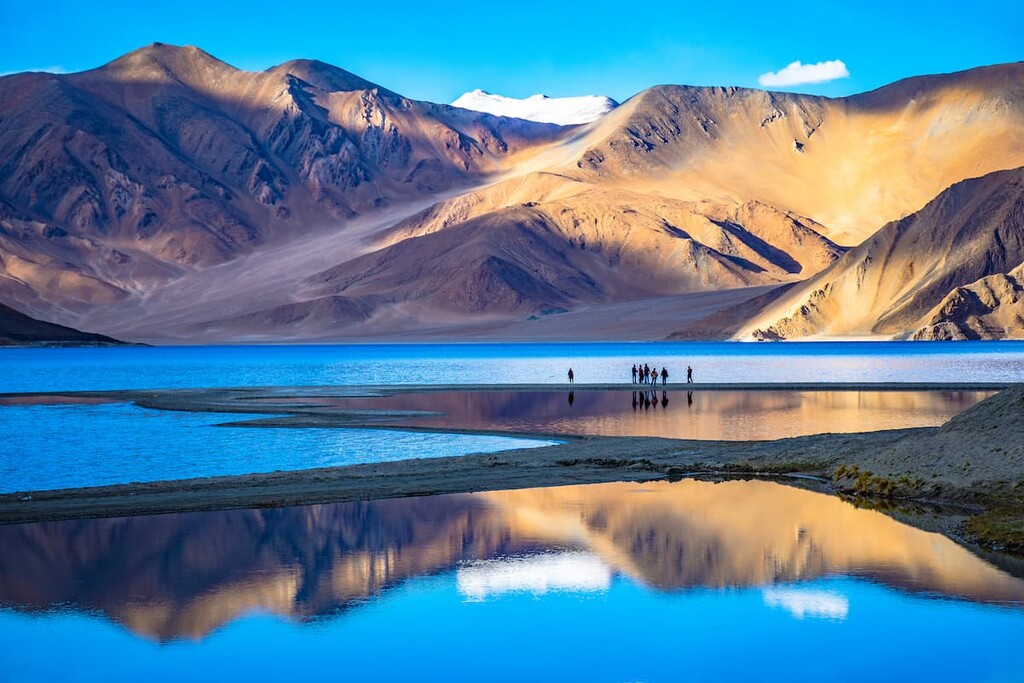
Ladakh, often called the “Land of High Passes,” is a union territory in northern India known for its stark landscapes, Buddhist heritage, and thrilling adventure opportunities. Ladakh Tourism is not just about sightseeing—it’s about experiencing a world where nature, culture, and spirituality converge at breathtaking altitudes.
📍 Top Places to Visit in Ladakh
1. Leh – The Gateway to Ladakh
- Capital city and cultural hub
- Visit Leh Palace, Shanti Stupa, and Main Bazaar
- Base for acclimatization and onward travel
2. Pangong Lake – The Iconic Blue Marvel
- Situated at 4,350 meters, stretching into Tibet
- Famous for its changing hues and Bollywood fame
- Ideal for camping and photography
3. Nubra Valley – Desert in the Himalayas
- Home to Hunder Sand Dunes and Bactrian camels
- Visit Diskit Monastery and Turtuk village
- Accessible via Khardung La, one of the world’s highest motorable roads
4. Tso Moriri – A Tranquil High-Altitude Lake
- Located in the Changthang region
- Less crowded than Pangong, ideal for solitude
- Surrounded by wetlands and migratory birds
5. Zanskar Valley – Remote and Rugged
- Known for Phugtal Monastery and Zanskar River rafting
- Trekking routes like Padum to Darcha
- Best visited in summer due to harsh winters
6. Magnetic Hill – Defying Gravity
- Optical illusion where vehicles appear to roll uphill
- Popular stop en route to Leh-Kargil highway
7. Lamayuru – Moonland of Ladakh
- Unique lunar-like terrain
- Visit Lamayuru Monastery, one of the oldest in Ladakh
- Great for photography and spiritual retreats
8. Kargil – History and Heritage
- Second largest town in Ladakh
- Visit Kargil War Memorial, Mulbekh Monastery, and Suru Valley
- Gateway to Zanskar and Kashmir
🛕 Monasteries and Spiritual Sites
Ladakh Tourism is deeply spiritual, with monasteries that echo centuries of Buddhist tradition:
- Hemis Monastery: Largest and wealthiest, hosts the Hemis Festival
- Thiksey Monastery: Resembles Tibet’s Potala Palace, known for its giant Maitreya Buddha
- Alchi Monastery: Ancient murals and Kashmiri-influenced architecture
- Spituk and Likir Monasteries: Offer panoramic views and peaceful ambiance
These gompas are not just religious centers—they’re cultural landmarks that preserve Ladakh’s identity.
🧗 Adventure Activities
Ladakh is a playground for thrill-seekers:
- Trekking: Chadar Trek (on frozen Zanskar River), Markha Valley, and Stok Kangri
- Mountain Biking: Khardung La and Leh-Manali highway
- River Rafting: Zanskar and Indus rivers
- Camping: Pangong, Nubra, and Tso Moriri
- Rock Climbing and Paragliding: Emerging in areas like Shey and Nubra
Adventure tourism is well-supported with certified operators and safety protocols.
🐅 Wildlife and Eco-Tourism
Ladakh’s cold desert ecosystem is home to rare species:
- Snow Leopard: Found in Hemis National Park
- Himalayan Marmot, Blue Sheep, and Tibetan Antelope
- Birds: Black-necked cranes, bar-headed geese, and golden eagles
Eco-tourism initiatives promote conservation and community engagement, especially in Changthang and Zanskar regions.
🍛 Cuisine of Ladakh
Ladakhi food is simple, hearty, and influenced by Tibetan flavors:
- Thukpa: Noodle soup with vegetables or meat
- Momos: Steamed dumplings with spicy chutney
- Skyu: Traditional wheat pasta stew
- Butter Tea (Gur Gur Chai): Salty and energizing
- Chhurpi: Dried yak cheese
Local homestays and cafes offer authentic culinary experiences.
🛍️ Handicrafts and Souvenirs
Ladakh Tourism supports local artisans:
- Pashmina Wool: Scarves, shawls, and stoles
- Thangka Paintings: Buddhist scroll art
- Wood Carvings and Metalwork: Ritual items and décor
- Apricot Products: Jams, oils, and dried fruits
Markets in Leh and village cooperatives are great for shopping.
🏨 Where to Stay
Ladakh offers diverse accommodations:
- Luxury Hotels: The Grand Dragon, The Zen Ladakh
- Homestays: Experience local hospitality in villages like Turtuk and Hemis
- Eco-lodges: Sustainable stays in Nubra and Changthang
- Camping Sites: Near lakes and valleys
Tourism authorities promote certified properties under “Responsible Tourism.”
✈️ How to Reach Ladakh
- By Air: Kushok Bakula Rimpochee Airport in Leh
- By Road: Via Manali-Leh and Srinagar-Leh highways (open May–October)
- By Bike: Popular among adventure travelers
Local transport includes taxis, shared jeeps, and rental bikes.
📅 Best Time to Visit
Ladakh Tourism is seasonal:
- Summer (May–September): Ideal for sightseeing and trekking
- Winter (December–February): Frozen landscapes and Chadar Trek
- Autumn (October–November): Clear skies and fewer crowds
Avoid monsoon travel due to landslides on mountain roads.
🧳 Sample Itinerary: 8-Day Ladakh Tour
Day 1–2: Leh – Acclimatization, local sightseeing
Day 3: Nubra Valley – Khardung La, Hunder dunes
Day 4: Turtuk – Border village and cultural immersion
Day 5: Pangong Lake – Camping and photography
Day 6: Tso Moriri – Tranquil lake and birdwatching
Day 7: Monastery circuit – Hemis, Thiksey, and Shey
Day 8: Departure or extend to Zanskar
🌟 Why Choose Ladakh Tourism?
Ladakh Tourism offers:
- Unmatched landscapes: Lakes, deserts, and mountains
- Spiritual depth: Monasteries and meditation retreats
- Adventure: Trekking, biking, and rafting
- Culture: Festivals, cuisine, and crafts
- Sustainability: Eco-tourism and community-led travel
Whether you’re a solo traveler, nature lover, spiritual seeker, or thrill-seeker, Ladakh promises a journey that’s both transformative and unforgettable.