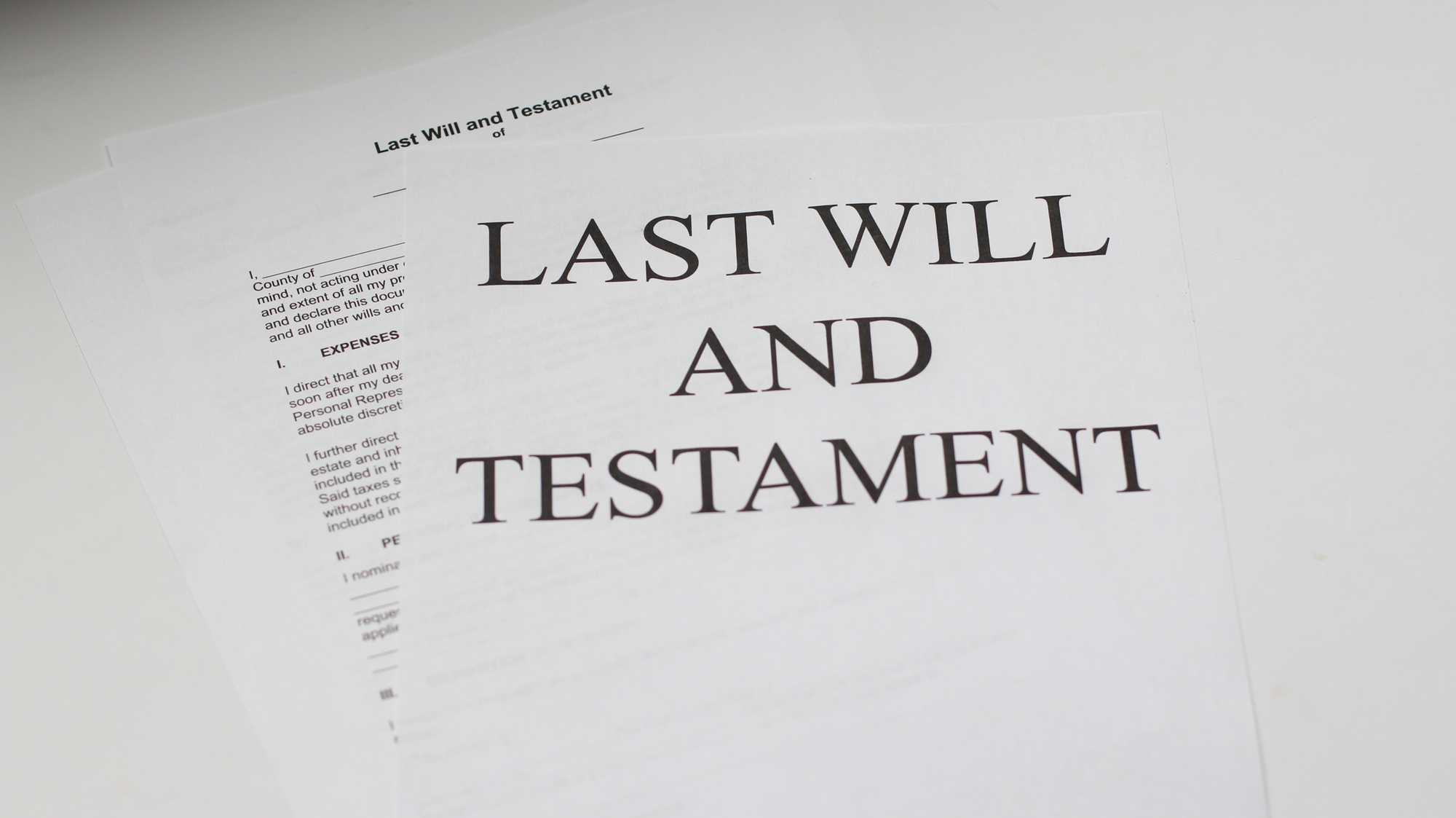
It is vital for both stepparents and stepchildren to be familiar with their legal civil liberties and commitments in order to navigate this delicate and possibly controversial problem. Seeking lawful suggestions from an experienced attorney focusing on estate planning and family regulation can give clarity and Full Record guidance in guaranteeing fairness and justice. It is essential to note that the details laws pertaining to stepparents’ wills and stepchildren’s rights can differ dramatically depending upon the jurisdiction. Consequently, it is recommended for stepchildren who wish to contest a stepparent’s will to speak with a certified attorney that focuses on inheritance regulation in their jurisdiction. We check out the complicated legalities bordering stepchildren’s civil liberties to object to a will. Remain tuned for professional understandings and sensible recommendations on this sensitive matter.
Stepchildren Needs To Be Named In A Prior Will Certainly
Stepchildren deserve to oppose a will certainly if they have been called as beneficiaries in a minimum of one prior will. Being explicitly mentioned as a recipient in a previous will offers stepchildren legal standing to contest the regards to a present will. It is important to keep in mind that stepchildren can just dispute the most recent will and not previous wills in which they were not called as recipients. The most usual parties with standing are recipients called in the current or a previous will. Heirs-at-law, family members qualified to acquire under state intestacy regulations if no will existed, likewise have standing. It is legitimately feasible to test a will after an individual has actually passed away, however this activity, visit the up coming article referred to as a will certainly oppose, can just be pursued under specific conditions.
The exploration stage complies with, where evidence is collected to support the insurance claims. Throughout this phase, arrangements between parties often take place, and settlements prevail if proof is compelling. No-contest clauses, or in terrorem clauses, are provisions in some wills designed to dissuade obstacles by endangering to disinherit anyone that starts a legal dispute. One situation is when the stepchild uncovers a new will that includes their name. An additional factor is when the stepchild was pointed out in a previous will and concerns the legitimacy of the most recent variation.
Mississippi Probate Regulation: Process, Executors, And Lawful Conflicts
Lack of ability may be because of delusions, mental deterioration, Alzheimer’s, or senility. In Minnesota, a stepchild’s capacity to contest a will certainly depends on numerous factors, including the nearness of the relationship with the stepparent. If a stepparent dies without a will, a stepchild does not have the very same legal rights to possessions and residential or commercial property as an organic child under Minnesota legislation. In Australia, a stepchild’s right to contest a will certainly depends upon the location of the deceased estate.
- A skilled estate preparation lawyer can assist you recognize and sort via some potential alternatives.
- It is essential for both stepparents and stepchildren to be aware of their lawful rights and responsibilities in order to browse this sensitive and potentially contentious problem.
- Check out the legal subtleties and prospective outcomes when a stepchild competitions a will, consisting of needs and judicial evaluation.
- In states where they might be eligible, stepchildren could still be last in line to inherit.
Avoiding The Public Nature Of Probate Court
Generally, it would claim that if anyone who otherwise stood to inherit obstacles the will unsuccessfully, they shed the cash they would certainly have inherited. After filing, all interested events, consisting of the executor and recipients, need to be formally informed. This “service of process” makes sure every person with a stake in the estate can take part in the process. This short article details the necessary components and procedural truths of such an obstacle. Fraud, one more basis for contesting a will, happens when deception or misstatement affected its production or alteration.