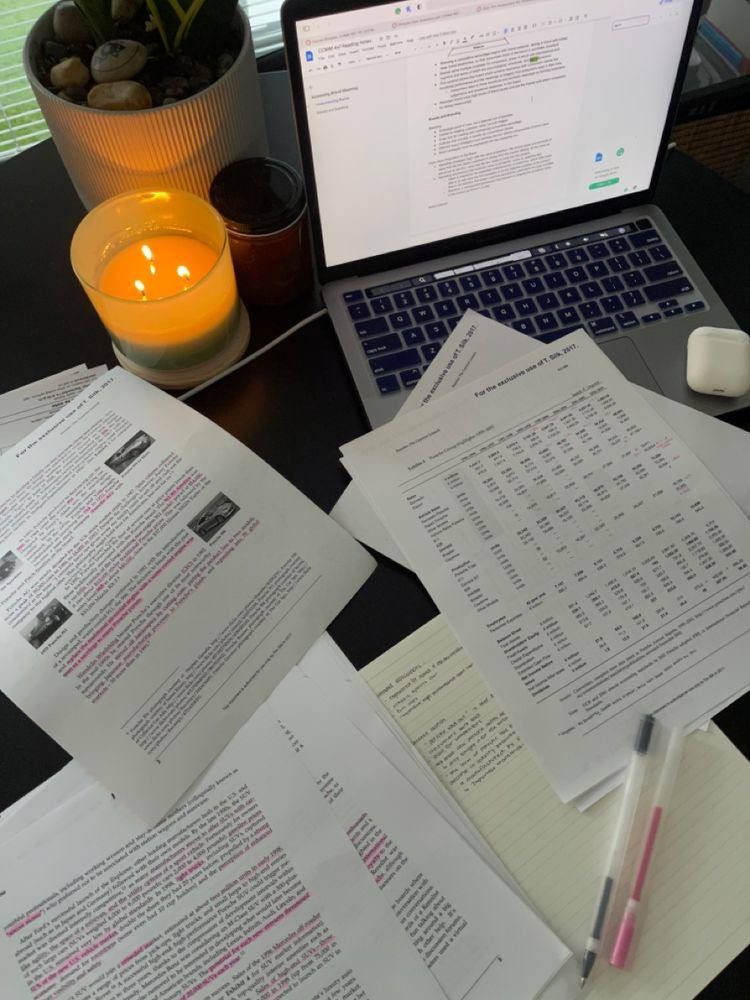
Long online exams have become a defining part of modern academic life. While they offer convenience and flexibility, they also introduce unique challenges that traditional paper-based settings never had to address. Test-related anxiety, digital distraction, mental exhaustion, and screen fatigue can all collide during a long exam, making it difficult for students to maintain concentration and perform at their best. These pressures can lead some individuals to contemplate shortcuts, including the idea to hire someone to take my gmat exam when feeling overwhelmed. Yet such shortcuts undermine genuine achievement and do nothing to build long-term academic or professional capability. The real solution lies in mastering effective strategies for anxiety control, mental endurance, and focus management during online exams.
Understanding the Root of Test-Related Anxiety
Test-related anxiety is often triggered by a combination of fear, pressure, and uncertainty. When students face a high-stakes environment, their stress levels naturally rise. Online exams amplify this reaction because the digital setting feels less controlled, less predictable, and more mentally draining. The lack of a structured physical environment, combined with extended screen time, can heighten stress and impair clarity.
This anxiety is also intensified by the competitive nature of standardized exams like the GMAT, where students may feel that a single score determines future opportunities. When anxiety intensifies, the temptation to consider extreme shortcuts such as the idea to hire someone to take my gmat exam can rise. However, this temptation is a signal, not a solution. It indicates that the student needs better coping mechanisms, not unethical workarounds. Understanding anxiety as a natural response allows students to address it constructively rather than impulsively.
The Impact of Screen Fatigue on Cognitive Performance
Screen fatigue occurs when the eyes, brain, and body become overwhelmed from prolonged digital exposure. In a long online exam, screen fatigue can cause blurred vision, headaches, difficulty concentrating, and reduced mental stamina. These physical symptoms spill over into mental performance, slowing processing speed and compromising accuracy.
Screen fatigue also affects emotional stability. As discomfort increases, patience diminishes, and the student becomes more vulnerable to anxiety spikes and self-doubt. This decline in mental clarity can cause students to panic, worry excessively about time, or misunderstand questions. In moments like these, thoughts such as Maybe I should just hire someone to take my gmat exam can emerge not because the student truly wants to cheat, but because fatigue diminishes rational judgment. Recognizing the effects of screen fatigue helps students prepare and respond intentionally rather than reactively.
Preparing Mentally and Physically Before the Exam
Preparation plays a crucial role in mitigating test-related anxiety and screen fatigue. Before the exam begins, students should ensure they are well-rested, hydrated, and mentally prepared for an extended digital session. A calm and organized mind is far more resistant to stress. Establishing a dedicated workspace free of distractions helps recreate the structure of a traditional test environment, which signals to the brain that focus is required.
Mental preparation includes practicing mindfulness, deep-breathing exercises, or grounding techniques before the exam begins. These strategies reduce anxiety levels and promote a sense of calm control. Students who feel mentally prepared are less likely to spiral into stress or feel cornered by the pressures that might otherwise push them toward extreme thoughts like trying to hire someone to take my gmat exam. Instead, they enter the exam with clarity and emotional stability.
Using Strategic Breaks to Combat Fatigue
Most long online exams include short scheduled breaks, and these moments should be used wisely. Students should take time to look away from the screen, stretch their muscles, and breathe deeply to re-oxygenate the brain. Even a brief pause can significantly reduce physical strain and mental fog. This resetting process restores focus and energy, allowing students to return to the test with renewed clarity.
Break management is not only physical but psychological. Students should consciously detach from exam-related stress during breaks rather than mentally replaying difficult questions. This break in cognitive load prevents racing thoughts and helps maintain emotional equilibrium. Students who understand how to reset effectively during an exam are far less likely to feel overwhelmed or desperate enough to consider any shortcuts like attempting to hire someone to take my gmat exam, because they have learned how to manage pressure rather than escape from it.
Maintaining Focus Through Mindfulness and Self-Monitoring
Focus during an online exam requires active mental discipline. When students notice their attention drifting or anxiety rising, mindfulness techniques such as guided breathing or brief grounding exercises can restore concentration. These techniques anchor the mind to the present moment, which reduces intrusive thoughts and improves information processing.
Self-monitoring involves noticing internal cues such as frustration, restlessness, or negative thinking and addressing them before they escalate. When students become experts at self-regulation, they maintain better control over their mental state throughout the exam. This internal awareness helps prevent the spiraling sense of panic that can cause some to briefly wonder whether shortcuts like trying to hire someone to take my gmat exam are worth considering. Instead, self-monitoring cultivates resilience, reminding students they have the ability to navigate difficult moments without resorting to unethical decisions.
Managing Long-Duration Focus with Pacing and Task Chunking
Long online exams can feel overwhelming because they require sustained concentration. One effective method for managing this demand is task chunking. Students mentally divide the test into sections, which creates manageable focus intervals instead of facing the exam as a monolithic block. This technique reduces cognitive overload and keeps the mind engaged over longer periods.
Pacing strategies also help regulate energy. Students who rush early tend to burn mental fuel too quickly and experience fatigue sooner. By pacing themselves evenly, they maintain both clarity and stamina throughout the exam. Effective pacing also decreases anxiety because it creates a sense of control. This sense of control is the opposite of the helplessness that sometimes pushes students toward thoughts like trying to hire someone to take my gmat exam, reinforcing how disciplined pacing supports not just performance but emotional stability.
Preserving Motivation and Confidence During Difficult Moments
Even the most prepared student encounters moments of doubt during a long online exam. These moments are critical. Students must be able to reassure themselves, maintain perspective, and stay focused. Positive self-talk, confidence reminders, and mental resets prevent discouragement from taking root.
Confidence is built over time through preparation, practice, and consistent improvement. Students who take ownership of their learning process are far less tempted by external shortcuts. They recognize that trying to hire someone to take my gmat exam would only rob them of the pride, growth, and capability that come from honest effort. Maintaining motivation during an exam is easier when students trust their preparation and believe in their own ability to succeed.
Conclusion: Finding Strength in Focus and Integrity
Managing anxiety and maintaining focus during a long online exam requires a combination of mental preparation, physical strategies, mindfulness practices, and disciplined pacing. These tools help students navigate stress and screen fatigue while preserving clarity and emotional stability. The digital environment may introduce new challenges, but with the right techniques, students can perform confidently and competently.
Shortcuts such as the temptation to hire someone to take my gmat exam arise only when stress overwhelms preparation. Yet true success and true confidence comes from mastering one’s own mindset, choices, and strategies. By learning how to regulate anxiety and stay focused despite fatigue, students not only perform better on their exams but also develop lifelong resilience. The ability to stay calm, centered, and disciplined under pressure is far more powerful than any shortcut—and it is a skill that stays with them long after the exam ends.

